

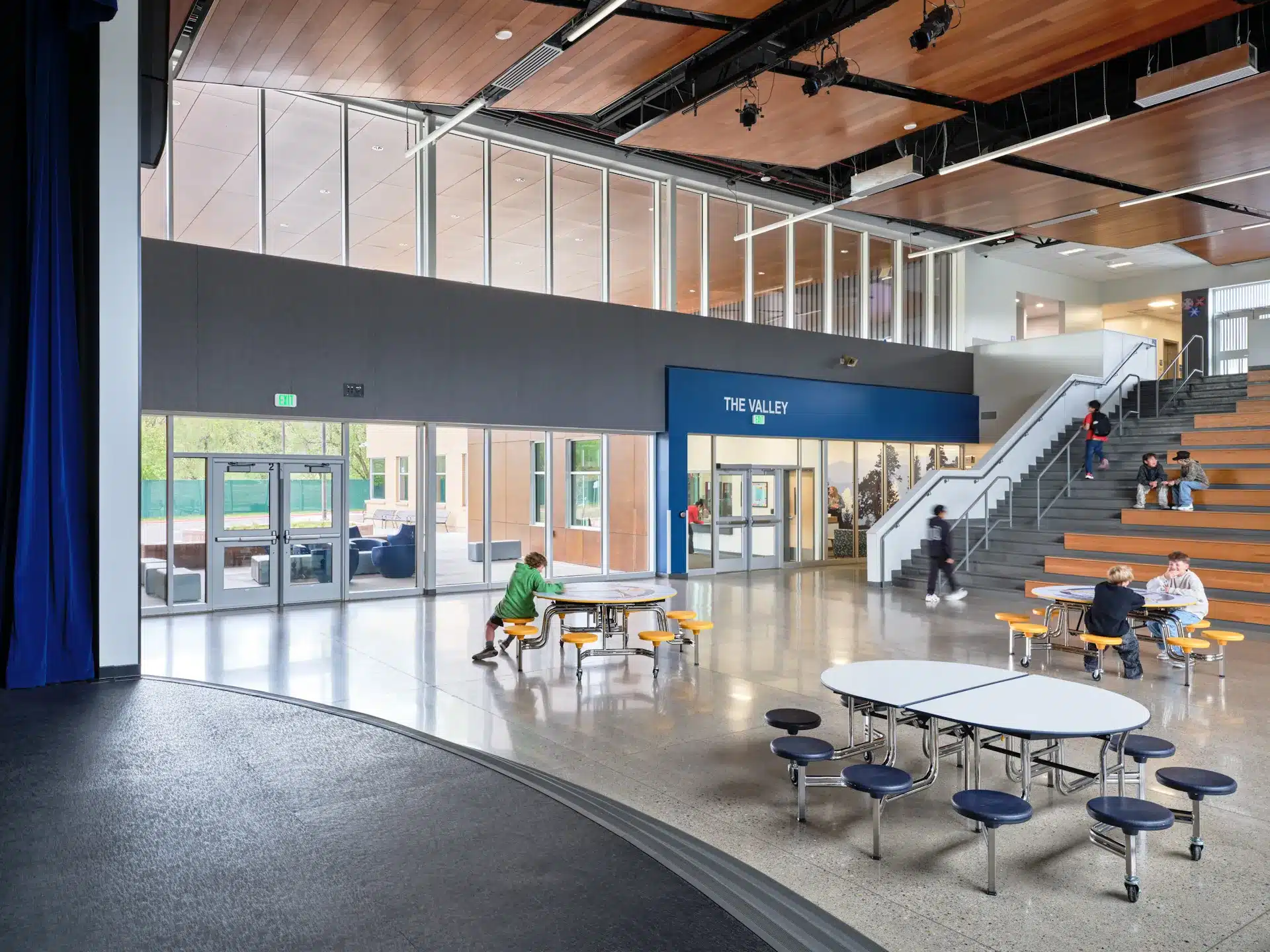
School construction has evolved dramatically over the past decade, with student safety, accessibility, and technology integration now driving every decision from site planning through final buildout. Modern school construction projects go far beyond classrooms and gymnasiums. They incorporate layered security systems, ADA-compliant accessibility throughout, flexible learning environments, and sustainable building practices that protect students, staff, and the surrounding community.
- Security is now built into the structure itself, not bolted on as an afterthought
- ADA compliance goes beyond minimum requirements in modern builds
- Technology infrastructure is planned from the foundation up
- Indoor air quality and health-conscious materials are standard
- Flexible spaces accommodate changing educational needs for decades
The way we build schools has changed fundamentally. A generation ago, school building construction focused primarily on getting classrooms, hallways, and administrative offices under one roof within budget.
Today, school construction companies are tasked with building facilities that address a much broader set of priorities: physical security, student wellness, universal accessibility, energy efficiency, and technology readiness. The result is a new generation of K-12 facilities that are safer, healthier, and more adaptable than anything built before them.
Security Built into the Structure
Student and staff safety are the single biggest driver of innovation in new school construction. Modern approaches move beyond standalone security cameras and locked doors to integrate protective measures directly into how the building is planned and built.
According to School Construction News, architects and construction teams are now incorporating open sightlines, layered perimeter security, reinforced doors and windows, and protective landscaping into the physical structure of school buildings. The goal is to create environments that are genuinely secure without feeling like fortresses.
- Key security innovations in current school construction projects include:
- Single controlled points of entry with secure vestibules during school hours
- Interior classroom doors that lock from the inside
- Open floor plans that eliminate blind spots in hallways and common areas
- Shatter-resistant glazing on ground-floor windows and entry points
- AI-powered surveillance systems that detect unusual behavior in real time
- Emergency communication systems integrated into every classroom
The best school construction contractor teams approach security as a structural element rather than an add-on, which means it gets addressed during preconstruction planning, not after the walls are already up.
ADA Compliance and Universal Accessibility
Federal ADA requirements set the minimum standard, but modern school building construction increasingly goes beyond compliance to create genuinely inclusive environments. This means wider corridors, accessible restrooms on every floor, elevator access throughout multi-story buildings, sensory-friendly spaces for students with autism or processing disorders, and playground equipment that accommodates children with physical disabilities.
Accessibility also extends to emergency systems. Evacuation routes, alarm systems, and communication tools must all be usable by students and staff with varying abilities. A school construction company that specializes in K-12 work understands these requirements in detail and builds them into the project from the start.
Technology-Ready Infrastructure
Today’s students need more than outlets and Wi-Fi. Modern school construction integrates structured cabling, high-density wireless access points, interactive display infrastructure, and dedicated server rooms into the building plan. STEM labs, makerspaces, and collaborative work areas all require specific electrical, data, and ventilation considerations that must be addressed during construction, not retrofitted later.
According to Salas O’Brien’s analysis of K-12 facility trends, school systems across North America are also proactively upgrading security technology as standalone projects rather than waiting for the next renovation cycle. This reflects a broader shift toward treating technology infrastructure as a core building system rather than an optional upgrade.

Health, Air Quality, and Sustainable Building
The COVID-19 pandemic permanently changed how school construction companies approach indoor air quality and hygiene. Current school construction projects routinely include enhanced HVAC filtration, increased outdoor air ventilation rates, touchless fixtures in restrooms and common areas, and antimicrobial surface materials in high-traffic zones.
Sustainable building practices are standard as well. Energy-efficient lighting, high-performance insulation, solar-ready roofing, and water-conservation systems all reduce long-term operating costs for school districts while teaching students about environmental responsibility through the building itself.
Final Thoughts
Building a modern K-12 school means balancing dozens of priorities that didn’t exist when most of today’s school buildings were originally constructed. Safety, accessibility, technology, sustainability, and student wellness all have to work together in a facility that serves its community for 50 years or more.
Getting it right requires a school construction contractor with the experience to manage that complexity and the preconstruction planning capability to catch problems before they reach the job site.