

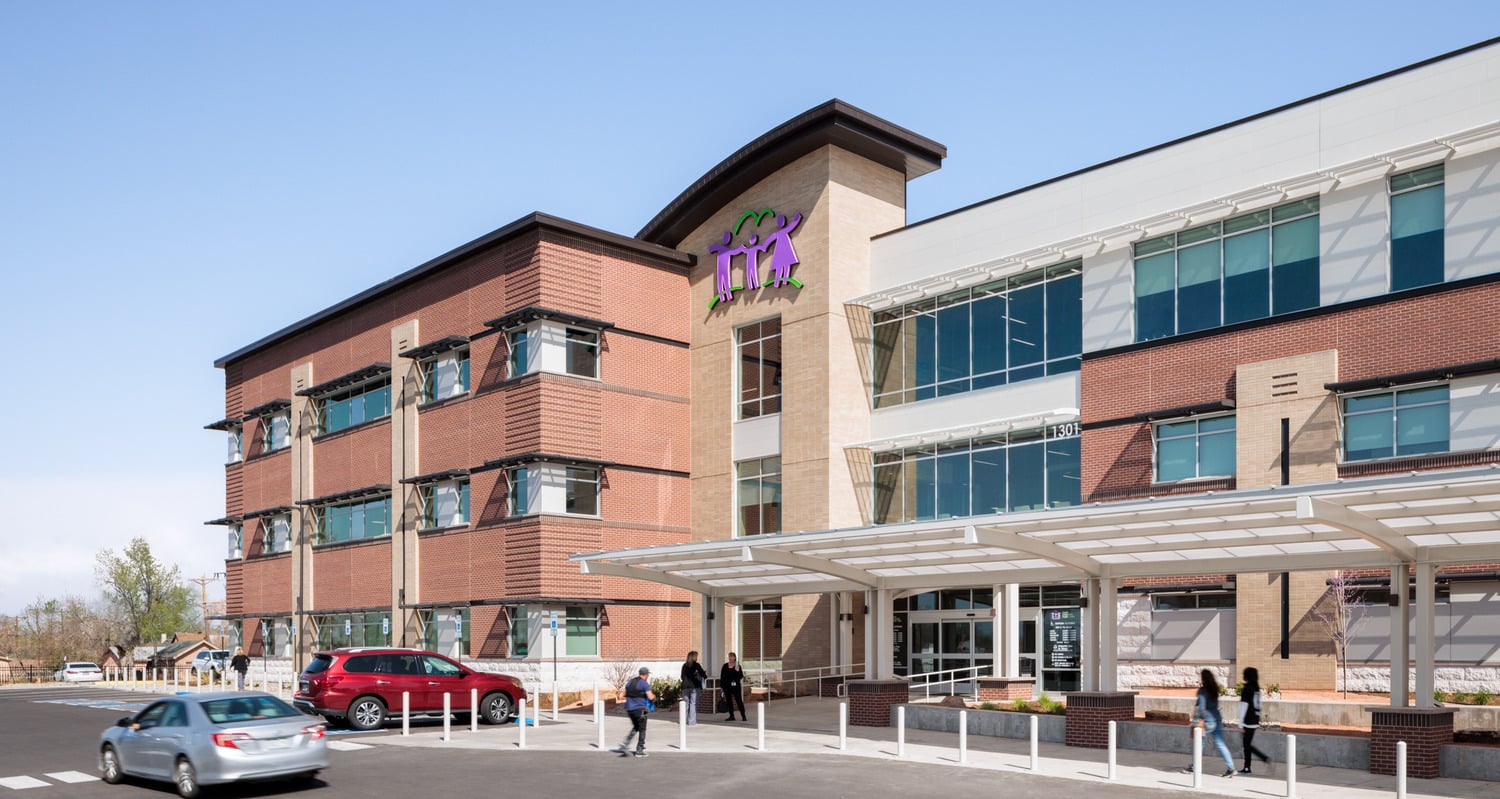
In healthcare facility construction, safety and compliance are essential to protecting patients and meeting regulatory demands. This blog explores how successful medical facility builds prioritize health, safety, and precision at every stage.
- Infection control is a top priority during construction in healthcare environments.
- Strict adherence to guidelines for design and construction of healthcare facilities ensures patient and staff safety.
- Ventilation systems must be carefully engineered to prevent airborne contaminants.
- Effective project management involves collaboration between contractors, architects, and hospital leaders.
- The construction team must integrate safety into every part of facility design, from airflow to workflow.
This blog explains why safety in healthcare facilities isn’t just important; it’s non-negotiable.
When it comes to healthcare facility construction, safety and compliance are more than regulatory checkboxes; they are the backbone of responsible and effective medical infrastructure development. Whether constructing a hospital, clinic, or specialized treatment center, ensuring patient and staff safety is essential from the earliest phases of planning to the final inspection.
The Importance of Safety in Healthcare Facilities
Unlike standard commercial projects, medical facility construction involves working in or near environments where vulnerable populations are present. These projects often require phased work within active facilities, which means the construction team must go to great lengths to protect patients, minimize disruptions, and maintain a sterile environment.
Hospital building safety isn’t limited to fire exits and structural integrity. It also includes access to emergency care, proper egress, and the maintenance of clear, safe zones during construction. Any misstep can compromise patient well-being or delay critical services.
Infection Control During Construction
One of the most critical concerns is infection control during the construction of healthcare facilities. Dust, debris, and microbial particles can easily become airborne, jeopardizing sterile environments. To mitigate these risks, teams must implement:
- Isolated construction zones with proper barriers
- Negative pressure systems and HEPA filtration
- Rigorous cleaning and air quality monitoring protocols
- Limited access policies for staff and contractors
These practices help reduce the risk of hospital-acquired infections and align with established guidelines for the design and construction of healthcare facilities.
Adhering to Compliance Standards
Compliance is central to every phase of healthcare construction projects. Regulatory agencies like the Joint Commission and CDC provide extensive guidance on how facilities must be designed and constructed to ensure safety, cleanliness, and operational effectiveness.
Facility design must comply with specific standards related to ventilation, electrical systems, patient privacy, and emergency preparedness. Meeting these codes not only protects future patients, but it also ensures the project avoids costly delays and redesigns.
The Role of Ventilation and Systems Planning
Proper planning of the ventilation system is vital to maintaining air purity, controlling temperature and humidity, and preventing the spread of airborne contaminants. Inadequate airflow or pressure imbalances can compromise safety and compliance, which is why experienced engineers and mechanical contractors are indispensable in healthcare facility construction.
From patient rooms to surgical suites, the ventilation strategy must match the room’s use and adhere to healthcare codes. This is a core part of both design planning and final inspections.
Collaboration and Project Management
Because healthcare builds are so complex, project management must involve close collaboration between general contractors, architects, engineers, and hospital administrators. The complexity stems from the need to integrate medical workflows, compliance systems, and safety protocols into every inch of the structure.
By bringing together construction expertise and clinical insight, teams can deliver high-performance medical facility construction that supports modern healthcare delivery.
The Bottom Line
Building safe, compliant healthcare facilities requires specialized knowledge, disciplined execution, and a patient-first mindset. From facility design to infection control, Bryan Construction’s experienced team ensures your medical facility construction project meets the highest standards. Because in healthcare, safety isn’t optional.
Learn more about our commercial building construction services here.